
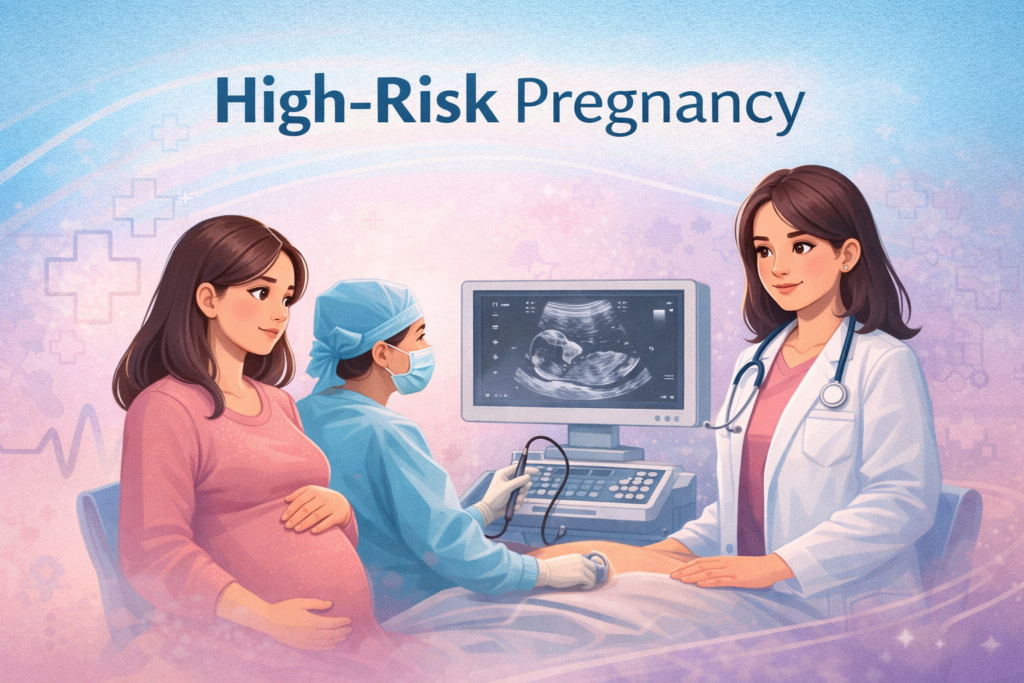
Pregnancy is an exciting journey. But for some women, pregnancy can be more delicate because of complications. Doctors refer to these cases as High-Risk pregnancies. While the term might seem ominous, appropriate medical treatment and good habits can greatly minimize risks.
Women across Indore consult with experienced doctors like Dr Krishna Meena, a Best Gynaecologist in Indore, Infertility Specialist in Indore, and relied upon as Women Specialist in Indore. With the appropriate support, even complex pregnancies can proceed safely.
Pregnancy is anlife-altering experience and in this guide you will learn how High-Risk pregnancy impacts women, what precautions to take in order to reduce the complications of a high-risk pregnancy, personally actionable steps you can take to have a healthy pregnancy.
What is a High-Risk Pregnancy?
High-Risk pregnancy is defined as a situation where the mother and or baby are more likely to develop health problems before, during or after even delivery. Doctors closely monitor such pregnancies to avert serious problems.
While many women have normal pregnancies, some medical conditions raise risks. Hence, constant medical supervision becomes imperative.
Common Causes of High-Risk Pregnancy
There are several things that can raise risks in pregnancy:
- Maternal age greater than 35 or less than 16
- High blood pressure or diabetes
- Thyroid disorders
- Obesity or severe anemia
- Multiple pregnancies (twins or triplets)
- Previous pregnancy complications
- PCOS or fertility treatments
Early management of these risks is it goal of every couple planning a baby and hence, if you consult the best infertility specialist in Indore Dr Krishna Meena who provide personalize consultation to every women.
The Importance of Early Care in High-Risk Pregnancy
Timely diagnosis enables doctors to effectively monitor the mother and baby.
Key Benefits of Early Monitoring
- Early detection of complications
- Improved fetal development tracking
- Reduced chances of premature birth
- Better management of maternal health
- Safer delivery planning
Specialist has advanced diagnostic methods for early detection of possible problems A qualified Women Specialist Indore such as Dr Krishna Meena
Common Causes of High-Risk Pregnancy
There are numerous medical conditions that can complicate pregnancy.
1. Gestational Diabetes
This condition increases blood sugar levels during pregnancy, and needs to be controlled through diet.
2. High Blood Pressure (Preeclampsia)
It can lead to swelling, headaches and complications if not treated.
3. Thyroid Disorders
Hormonal imbalance affects fetal development.
4. Placenta Problems
You can have bleeding with placenta previa or placental abruption.”
5. Previous Pregnancy Loss
Women with past miscarriages must be closely monitored.
The best gynaecologist in Indore, such as this one, monitor these situations carefully to lead toward safer out-come.
Indicators of a High-Risk Pregnancy
Instead, however, some complications are discovered through medical tests while certain signs need to enter immediately.
Watch for the following signs:
- Severe abdominal pain
- Persistent headaches
- Blurred vision
- Heavy vaginal bleeding
- Reduced baby movement
- Intense swelling in the hands or face
If any of these symptoms come to you, contact a Women Specialist in Indore right away.
How to Stay Healthy During a High-Risk Pregnancy: A Step-by-Step Guide
Caring for a High-Risk pregnancy involves frequent visits and lifestyle changes.
Step One: Go to Regular Prenatal Appointments
Regular visits to the doctor keep an eye on fetal development and maternal health.
Step 2: Stick to a Healthy Diet
Include nutrients essential for pregnancy:
- Iron
- Folic acid
- Calcium
- Protein
- Omega-3 fatty acids
Third Step: Checking Blood Pressure and Sugar Levels
Diabetic or hypertensive women should monitor health indicators periodically.
Step 4: Stay Physically Active
Gentle exercises, on the other hand, enhance blood circulation and relieve stress.
Examples include:
- Prenatal yoga
- Walking
- Light stretching
Step 5: Adhere to Doctor’s Instructions.
Stick to it In addition, follow the medication schedule given by a professional like Dr Krishna Meena.
High-Risk Pregnancy Monitoring: Tools & Medical Tests
Doctors depend on sophisticated tools to monitor fetal health and maternal conditions.
Common Diagnostic Tools
- Ultrasound scans
- Doppler fetal monitoring
- Blood tests
- Amniocentesis
- Non-stress tests
These technologies are adopted by clinics run by skilled specialists like Dr Krishna Meena, a well-known Infertility Specialist in Indore, to enhance the probability of pregnancy.
High-Risk Pregnancy Lifestyle Tips
Maternal health is greatly enhanced by healthy habits.
Essential Lifestyle Changes
- Eat balanced meals
- Stay hydrated
- Sleep at least 7–8 hours
- Avoid smoking or alcohol
- Reduce stress levels
Practices like meditation or breathing exercises also supports emotional health.
8 Mistakes Women Make During High-Risk Pregnancy
Most women are making avoidable errors that contribute to elevated risks.
Mistake #1: Skipping Prenatal Checkups
Regular monitoring detects complications early.
Mistake #2: Ignoring Warning Symptoms
Bleeding or severe headache are among symptoms that need urgent attention.
Mistake #3: Poor Nutrition
Nutrient deficiency endangers both (maternal and fetal) health.
Mistake #4: Self-Medication
Use only medications prescribed by authorized doctors.
Mistake #5: Excessive Stress
Stress hormones help regulate pregnancy health.
Make sure to avoid these mistakes by consulting an experienced Women Specialist in Indore.
The Importance of Specialized Care in High-Risk Pregnancy
Outcomes are improved for women delivered by specialists.
Advantages of Consulting Specialists
- Personalized pregnancy care plans
- Early complication detection
- Advanced fetal monitoring
- Safe delivery planning
- Emotional reassurance
When it comes to expert and experienced pregnancy care, many patients opt for, the well-renowned Best Gynaecologist In Indore Dr Krishna Meena.
Case Management of a Real High-Risk Pregnancy
Take the example of a woman who had gestational diabetes when she was pregnant.
Guided by an expert Infertility Specialist in Indore, Dr Krishna Meena, she follows a directed diet plan along with blood sugar monitoring and regular checkup. As she receives the proper care, she safely delivers a healthy baby.
This is the model of the example that News Deeply gives to show how professional care leads to more favorable outcomes.
When to See a Specialist?
Here is when women need to consult specialists:
- Previous miscarriages
- Chronic medical conditions
- Fertility treatment history
- Pregnancy complications
A trusted Women Specialist in Indore keep a check on pregnancy.
Conclusion
High-Risk pregnancy can be scary but with proper medical assistance and lifestyle modifications women can live through it. Routine check-ups, balanced diet, and emotional support can make several contributions in ensuring a safe pregnancy.
Top Gynaecologist in IndoreAdamant with navigating complex experiences, doctors like Dr Krishna Meena known as Best Gynaecologist Indore and a trusted Infertility Specialist in Indore guide women through them.
Women Specialist in Indore provides quick access to the recommended services for the patient and accompanies you throughout your pregnancy.
Schedule your consultation now and start on the path to a healthy pregnancy!
FAQs About High-Risk Pregnancy
1. What does High-Risk pregnancy mean?
High-Risk pregnancy is a term used when the expecting mother or the baby has a higher than usual chances of developing medical complications.
2. High-Risk pregnancy, Can it have healthy babies?
Yes. Monitored well with medication and medical advice, many women go on to have healthy babies.
3. Who monitors a High-Risk pregnancy?
Such pregnancies must be monitored by a qualified Best Gynaecologist in Indore or an experienced obstetrician.
4. How often do High-Risk pregnant women go to the doctor?
Doctors normally advise for more prenatal visits to ensure health and fetal development is on track.
5. How do you manage High-Risk pregnancy?
A healthful diet, regular checkups, stress control and moderate exercise keep risks at bay.