
Understanding Life After Abortion: Recovery, Counselling, and Contraception
Getting an abortion can be a very personal and, at times, emotional experience. Many women experience relief, uncertainty or even stress after the procedure. Yet the recovery process is healthier and easier with appropriate care and support.
The presence of life after abortion is more than just physical healing. Women need emotional comfort and medical advice, and planning of contraceptive use in order to prevent unwanted pregnancies as well. And that is why it becomes important to consult with an experienced specialist.
Dr Krishna Meena, recognized as a Best Gynaecologist in Indore, Best Pregnancy Doctor in Indore, and trusted Normal Delivery Specialist in Indore, provides compassionate care and medically supervised recovery plans for women after abortion.
This comprehensive guide explains everything you should know about recovery, counselling, and contraception planning after abortion.
Why Proper Care After Abortion Is Important
The role of recovery after abortion in protecting reproductive health Although the procedure is relatively safe, neglecting care after the treatment can cause complications.
Proper medical supervision ensures:
- Faster physical recovery
- Lower infection risk
- Emotional support and stability
- Hormonal balance
- Better contraception planning
Physical Recovery After Abortion
Every woman experiences recovery differently. But most women do recover, within a few days to two weeks.
Common Symptoms After Abortion
Some mild symptoms might occur after an abortion. These symptoms are common and short-lived.
Typical symptoms include:
- Light to moderate bleeding
- Mild abdominal cramps
- Fatigue
- Breast tenderness
- Hormonal mood changes
Dr Krishna Meena advises patients to monitor symptoms carefully after abortion to ensure safe recovery.
Practical Tips for Faster Recovery
Practical Tips for Faster Recovery
Simple care practices can help women heal.
Helpful recovery tips include:
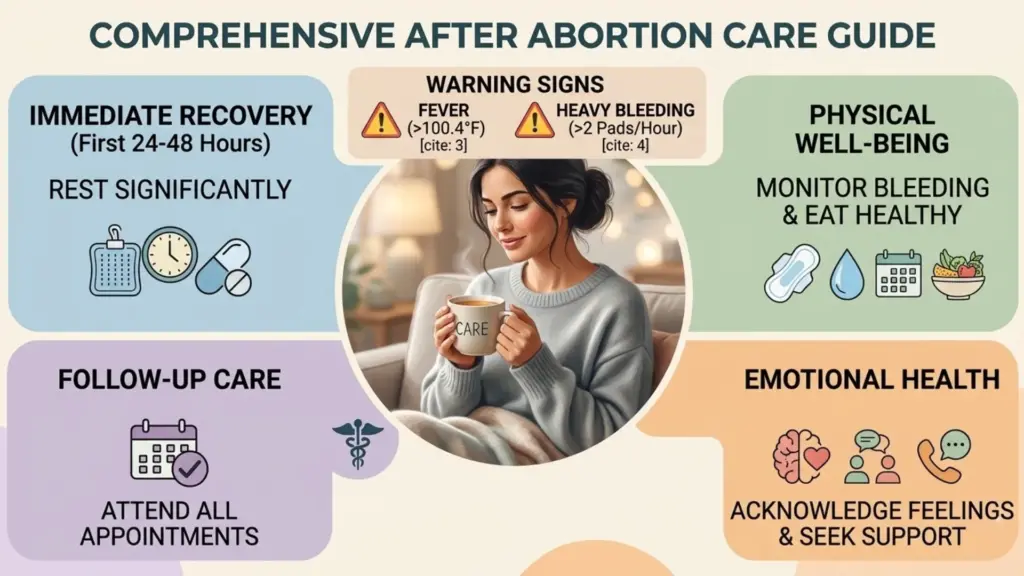
- Rest for at least 24–48 hours
- Refrain from heavy lifting or vigorous exercise
- Maintain proper hygiene
- Drink plenty of fluids
Moreover, do not have sexual intercourse for at least 1–2 weeks after abortion unless otherwise directed by your doctor.
Emotional Counselling After Abortion
Sometimes one recovers physically faster than emotionally. Some women feel relief, others sadness or anxiety.
So, emotional counselling is an integral part of the post-abortion care.
Why Emotional Support Matters
Counselling is beneficial for Women because it:
- Process emotional changes
- Reduce guilt or anxiety
- Improve mental health
- Make informed reproductive decisions
As part of holistic care after abortion, Dr Krishna Meena insists on compassionate counselling.
Signs You May Need Professional Counselling
Seek professional help if you have:
- Persistent sadness
- Anxiety or panic attacks
- Sleep disturbances
- Difficulty concentrating
- Emotional distress lasting more than two weeks
Also, early counselling leads to better long-term mental health outcomes.
Contraception Planning After Abortion
There are other important elements to life after abortion, and one of those is contraception planning. Fertility may return as soon as two to three weeks after the procedure.
So, women need to rapidly select an appropriate contraceptive method.
Popular Contraception Options
The methods most commonly recommended by doctors include:
1. Oral Contraceptive Pills
Hormonal pills are used to regulate cycles and prevent pregnancy.
2. Intrauterine Device (IUD)
This long-term method provides effective protection.
3. Condoms
Condoms provide protection against both pregnancy and infections.
4. Injectable Contraceptives
These shots offer protection for months.
5. Implants
Implants offer long-term contraception.
Dr Krishna Meena guides patients to the safest contraception method after abortion, depending on their health status and future desire for pregnancy.
Step-by-Step Guide to Recovery After Abortion
Take a systematic approach to healing and feeling grounded.
Step 1: Rest Immediately After Procedure
Give your body one or two days to recover.
Step 2: Managing Hemorrhage or Symptom
Monitor changes in bleeding and pain following abortion.
Step 3: Attend Follow-Up Appointment
Within two weeks, see your gynecologist.
Step 4: Discuss Contraception Options
Choose a dependable birth control method.
Step 5: Pay attention to Emotional Wellness
Seek medical advice or get a doctor or counsellor if emotional distress occurs.
This gradual process provides a safe recovery after abortion.
Benefits of Proper Post-Abortion Care
These are some of the benefits that women have from medical advice after abortion.
These benefits include:
- Faster physical recovery
- Lower infection risk
- Better reproductive health
- Improved emotional stability
- Effective pregnancy planning
Supervision in a professional way leads to much stronger health outcomes.
4 Most Common Mistakes Women Make After Abortion
Mistakes are often made, unintentionally, that prolong recovery.
Common mistakes include:
- Ignoring follow-up visits
- Using tampons too early
- Resuming heavy exercise quickly
- Skipping prescribed medicines
- Delaying contraception planning
This should avoid mistakes when prevents their healing after abortion.
Tools and Real World Examples — Monitoring for Recoveries
Women can track recovery effectively with simple tools.
Useful tools include:
- Period tracking mobile apps
- Symptom diary
- Medication reminder apps
- Hydration tracker
- Digital thermometer
These tools assist women in monitoring their health after abortion and identifying complications early.
When to Call a Doctor Right Away
Complications are rare, but some symptoms need urgent medical care.
Call your doctor if you have:
- Serious bleeding (soaking two pads every hour)
- Severe abdominal pain
- High fever
- Foul vaginal discharge
- Dizziness or fainting
Prompt medical intervention stops serious complications from developing in such situations.
Experience-Based Insights from Dr Krishna Meena
Based on her years of clinical experience, Dr Krishna Meena has few observations to make:
Abortion complications are fewer for women who return for follow-up care. Lastly, early contraception counselling can help avert repeat unintended pregnancies.
Moreover, emotional counselling has a long-lasting positive impact on well-being. So recovery needs to be a two-pronged approach that includes both physical and emotional healing.
This is only part of the solution: After abortion put your health first
This blog is about life after abortion, and the recovery part as well. Under proper medical guidance, women recover physical strength and emotional balance quite quickly.
Renowned for being the Best Pregnancy Doctor in Indore, Best Gynaecologist in Indore and Normal Delivery Specialist in Indore, Dr Krishna Meena offers expansive and caring treatments for women throughout all stages of reproductive health.
Get a Consultation to Ensure Safe Recovery And Plan Responsible Contraception After Abortion With Expert Guidance or Counselling
FAQs
How long does abortion recovery take?
Physically, most women are back on their feet a week or two after abortion (though emotional healing can take longer).
How soon can I start contraception after abortion?
Contraception is often recommended right after abortion to prevent unplanned pregnancy.
Is bleeding normal after abortion?
Yes you will have light to moderate bleeding after abortion for few days.
What is a common misconception about getting pregnant after an abortion?
Yes, you can be fertile again two to three weeks post abortion.
When to see a doctor after abortion?
A follow-up appointment in 1–2 weeks ensures safe recovery.