
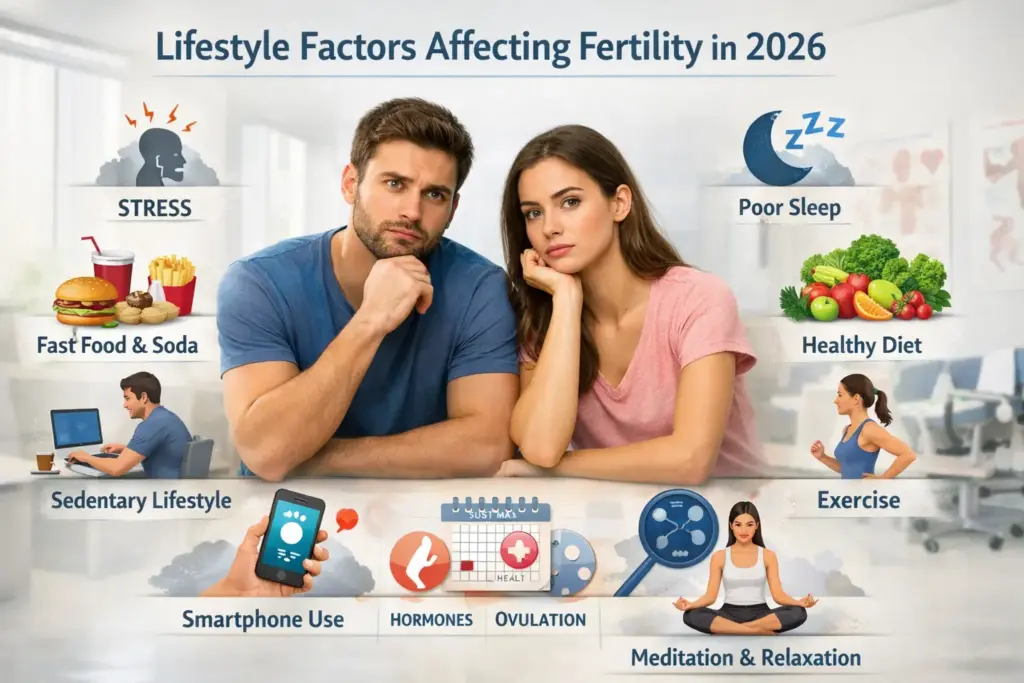
With all the demands in modern life, many couples may feel blindsided by fertility struggles. Careers, long working hours, digital lifestyle and stress have altered the way of living. For that reason, experts are talking more and more about lifestyle’s effects on fertility here in 2026.
Dr. Krishna Meena – also known as one of the Best Gynaecologist in Indore, often deals with patients from across India and sees that lifestyle habits are central to reproductive health. Today, many couples are dealing with hormonal imbalance, irregular ovulation and poor sperm quality.
But fertility issues do not stem only from medical disorders. Daily habits, in many cases, affect reproductive health more than people know.
So in 2026, knowing how lifestyle is affecting fertility now allows couples to make wiser health choices and safeguard their future family plans.
Learning How Lifestyle Is Impacting Fertility in 2026
In the last decade, lifestyles have altered so much. Modern urbanification comes with many advantages of techno-convenience. But these very changes can also throw circadian rhythms out of whack.
A number of key factors relate to how 2026 fertility is suffering due to lifestyle, namely:
- Chronic stress
- Delayed pregnancy planning
- Poor dietary habits
- Lack of physical activity
- Sleep disruption
- Environmental exposure
Highly recommended Doctor in Indore Dr. Krishna Meena says fertility is depend upon health of body and mind. The reproductive system is often the first to respond when lifestyle habits go south.
Thus, lifestyle modifications can in many cases correct hormonal imbalance and greatly enhance chances of fertility.
Important Lifestyle Factors Impacting Reproductive Health
1. Delayed Parenthood
Rome wasn’t built in a day; modern-day couples frequently focus on academics, career advancement and financial security before even considering starting a family. While this choice offers many services, fertility naturally diminishes with age.
Women begin to experience a gradual decline inegg quantity and quality after early 30s. Male fertility too can decline when sperm are less healthy.
That is why doctors often recommend fertility awareness and early reproductive planning.
2. Chronic Stress and Hormonal Imbalance
Stress has emerged as one of the largest stealth threats to fertility. Long hours at work, financial pressure, and digital overload leave an armoured body in a continuous state of stress.
When stress hormones increase, the reproductive hormones can get out of whack. As a result:
- Ovulation may become irregular
- Menstrual cycles may become unpredictable
- Libido may decrease
- Hormonal disorders such as PCOS can get aggravated
Indore Normal Delivery Specialist, like Dr. Krishna Meena – recommend stress-management techniques to couples trying to get pregnant.
3. Sedentary Lifestyle and Weight Issues
Working remotely and living our lives online have greatly decreased daily movement. Sadly, a sedentary lifestyle can cause metabolic derangements and result in weight gain.
Both extremes affect fertility:
Overweight
- Hormonal imbalance
- Increased PCOS risk
- Irregular ovulation
Underweight
- Hormone suppression
- Irregular periods
- Reduced fertility
Regular exercise also promotes hormonal balance supporting reproductive health.
4. Poor Nutrition and Processed Foods
Diet is a powerful factor in fertility: Dark, leafy greens? However, modern food consumed generally contains fast food, refined sugar and processed meals.
These foods can trigger inflammation and knock insulin out of balance.
- A fertility-supportive diet should include:
- Leafy vegetables
- Fresh fruits
- Whole grains
- Lean proteins
- Healthy fats
- Iron and folic acid
Before couples are planning for a pregnancy, doctors like Dr. Krishna Meena who is among the Best Gynaecologist in Indore strongly advise about the nutritional improvements.
5. Sleep Deprivation
Sleep directly affects hormonal balance. But many people often lose sleep to late-night screens, shift work or busy schedules.
Less sleep could interfere with reproductive hormones and ovulation.
- Healthy sleep habits include:
- 7–8 hours of sleep daily
- Reduced screen exposure before bedtime
Consistent sleep schedule
These habits promote hormonal balance, and fertility.
Improve Your Lifestyle for Better Fertility
Even small lifestyle changes can lead to significant benefits in reproductive well-being.
- Key benefits include:
- Better hormonal balance
- Improved egg quality
- Higher sperm count
- Regular menstrual cycles
- Reduced PCOS symptoms
- Increased chances of natural conception
Moreover, healthy habits will help to have an easier pregnancy.
In fact, couples who adopt healthy habits tend to experience better energy levels, mental health and reproductive outcomes
A Stepwise Approach to Enhance Fertility Naturally
This practical guide could help couples trying to conceive.
Step 1: Managed Bodyweight:
A healthy weight helps keep hormones balanced and encourages ovulation.
Step 2: Trigger a Fertility-Friendly Diet
Include antioxidant-rich foods, vitamins, and healthy fats.
Step 3: Manage Stress
Take time every day for yoga, meditation or breathing exercises.
Step 4: Improve Sleep Quality
Stick to a regular sleep schedule and limit screen time.
Step 5: Exercise Regularly
Moderate exercise promotes blood circulation and hormonal balance.
Step 6: Avoid Harmful Habits
Consume less alcohol, stop smoking and limit high caffeine intake.
Step 7: Meet with a Fertility Specialist
If there is a delay in conception, take advice from experienced doctors like Dr. Krishna Meena – Best Pregnancy Doctor in Indore
Lifestyle Mistakes That Can Impact Your Fertility
Many people do things that might kill fertility without even knowing it.
Common mistakes include:
- Ignoring irregular menstrual cycles
- Following extreme dieting trends
- Consuming excessive caffeine
- Overtraining in gyms
- Delaying medical consultation
Acknowledging these errors in the early stages can enhance fertility outcomes quite fast.
New Tools That Encourage Fertility Awareness
But technology has developed to help people manage reproductive health better.
Examples include:
Fertility Tracking Apps
There are apps that track ovulation cycles and fertile windows.
Wearable Health Devices
These gadgets track sleep, stress levels and activity patterns.
Telemedicine Consultations
If health at any time goes wrong, online consultations help a specialist like Dr. Krishna Meena – Best Gynaecologist in Indore for early diagnosis and treatment.
Technology helps, though professional medical advice is still key.
If Couples Need to See a Fertility Specialist?
When should you seek medical opinion, doctors suggest:
- 12-Month Attempt with No Pregnancy
- Menstrual cycles remain irregular
- Known conditions like PCOS exist
- Recurrent miscarriages occur
Size of abdomen is frequently close to that of gestation week according to ultrasound Examination, a specialist like Dr. Krishna Meena – Best Normal Delivery Specialist in Indore can significantly change this on occasion.
Conclusion
Modern life has fundamentally changed the way people live, work and reproduce. But these changes also help explain how lifestyle is affecting fertility in 2026. Stress, poor diet, sedentary lifestyle and sleep disturbances all affect reproductive health.
Fortunately, awareness and positive adjustments to our lifestyles can go a long way. When couples take on healthier lifestyles, hormonal balance and fertility outcomes often improve.
If you’re looking for the right guidance and support this, then consulting an experienced specialist like Dr. Krishna Meena – Best Pregnancy Doctor in Indore is what you need to do when planning pregnancy or dealing with fertility concerns.
So take small steps today toward a healthier tomorrow on your journey to parenthood.
FAQs
What role is lifestyle playing in fertility in 2026?
Hormonal balance and reproductive health are heavily impacted by modern lifestyle factors like environmental stressors, improper eating habits, physical inactivity, and late parenthood.
Can stress reduce fertility?
Yes. Cortisol levels rise with chronic stress, which can disrupt normal ovulation and the balance of reproductive hormones.
Which lifestyle habits improve fertility?
The five pillars of a healthy diet, regular exercise, stress management, quality sleep and the avoidance of smoking or alcohol enhance fertility.
When couples should see a fertility doctor?
Couples should seek the advice of a specialist if, despite trying for more than a year, pregnancy does not occur or if menstrual cycles remain irregular.
Best gynecologist for pregnancy in Indore.
Significantly, patients are dependent on infertility problems and pregnancy problems treatment from Dr. Krishna Meena, Best Gynaecologist in Indore for normal delivery assistance.