
Introduction: A Silent Threat You Shouldn’t Ignore
Every year, thousands of women receive a diagnosis that changes their lives — ovarian cancer. What makes this disease particularly challenging is how quietly it develops. By the time most women notice symptoms, the condition has already progressed significantly. That reality is both sobering and deeply motivating at the same time.
Here is the thing, though — your daily lifestyle choices have more influence over ovarian cancer risk than most women realize. What you eat, how you move, how your hormones are managed, and even your stress levels all quietly shape your risk profile over time. Understanding this connection is not about creating fear. Rather, it is about giving you the knowledge to take real, meaningful action before a problem ever develops.
If you are living in Indore and looking for expert guidance, specialists like Dr Krishna Meena — a trusted Women Specialist in Indore — have been helping women navigate these complex health concerns with compassion and clinical precision. In this article, we will walk through the evidence-based relationship between lifestyle and ovarian cancer, covering hormonal patterns, risk factors, prevention strategies, and care tips that can genuinely make a difference.
Understanding Ovarian Cancer — What Every Woman Should Know
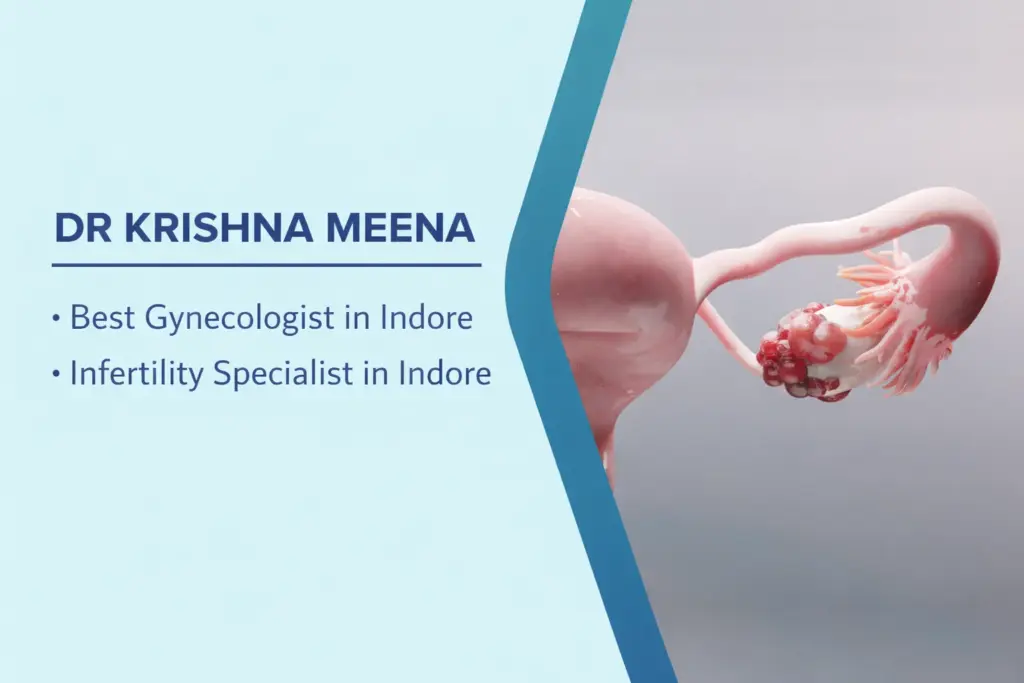
Ovarian cancer originates in the ovaries — the two small, almond-shaped organs responsible for producing eggs and female hormones. It is often called a “silent killer” because its symptoms closely mimic far less serious conditions like bloating, indigestion, or general fatigue. As a result, it frequently goes undetected until it reaches a late and more difficult-to-treat stage.
There are three primary types of ovarian cancer:
- Epithelial ovarian cancer — the most common form, accounting for nearly 90% of all cases
- Germ cell tumors — arise from egg-producing cells and often occur in younger women
- Stromal tumors — develop from hormone-producing tissue within the ovary
Globally, ovarian cancer ranks as the fifth leading cause of cancer-related deaths in women. In India, the incidence is steadily rising, making awareness especially critical for women of all ages. According to Dr Krishna Meena, one of the most experienced Infertility Specialists in Indore, many patients who arrive at her clinic in advanced stages had subtle warning signs for months — symptoms they had unknowingly dismissed as everyday discomfort.
Common Early Symptoms to Watch For
- Persistent bloating or unexplained abdominal swelling
- Pelvic or lower abdominal pain that is new or unusual
- Difficulty eating or feeling uncomfortably full very quickly
- Frequent or sudden urge to urinate
- Unexplained fatigue, back pain, or changes in bowel habits
If you experience any of these symptoms consistently for more than two to three weeks, consult the Best Gynecologist in Indore without further delay.
How Lifestyle Directly Influences Ovarian Cancer Risk
This is where things become both important and actionable. Lifestyle is not a peripheral factor in ovarian cancer — it is a central one. Let us break down the major lifestyle domains and how each one interacts with your personal risk.
1. Diet and Nutritional Choices
A diet high in processed foods, refined sugars, and red meats creates a pro-inflammatory environment in the body. Chronic inflammation is now recognized as a significant driver of ovarian cancer cell proliferation. Conversely, diets rich in cruciferous vegetables — such as broccoli, cauliflower, and kale — along with antioxidants and omega-3 fatty acids, actively suppress inflammatory pathways.
What the research consistently shows:
- Women consuming higher amounts of dietary fiber show lower rates of hormone-driven cancers overall
- High-fat dairy consumption has been associated with increased risk in several observational studies
- A Mediterranean-style diet — rich in olive oil, legumes, fresh fruits, and fish — is repeatedly linked to reduced gynecological cancer risk
2. Physical Activity and Body Weight
Obesity is one of the most well-documented modifiable risk factors for ovarian cancer. Excess adipose tissue produces estrogen independently of the ovaries, leading to estrogen dominance — an imbalance that can trigger abnormal cellular growth in reproductive tissues over time.
Regular moderate physical activity helps regulate body weight, reduce circulating estrogen levels, and improve insulin sensitivity simultaneously. Aiming for at least 150 minutes of moderate-intensity exercise per week makes a meaningful difference. As the Best Gynecologist in Indore frequently advises her patients, even consistent brisk walking for 30 minutes daily creates a measurable hormonal shift over weeks and months.
3. Hormonal Use and Contraception History
This is an area where the science is genuinely nuanced. Long-term use of oral contraceptives has actually been shown to reduce ovarian cancer risk by up to 50% in several studies, because they suppress ovulation and reduce the hormonal cycling that causes cumulative cellular damage over time.
On the other hand, long-term hormone replacement therapy (HRT) using estrogen-only formulations — particularly after menopause — has been linked to elevated ovarian cancer risk in multiple studies. Therefore, if you are currently on HRT, discussing the specific type, dosage, and duration with a qualified Women Specialist in Indore is absolutely essential.
4. Reproductive History
Several reproductive patterns carry established connections to ovarian cancer risk:
- Nulliparity (never having been pregnant): Women who have never carried a pregnancy to term face a statistically higher risk, because pregnancy suppresses ovulation and gives ovarian tissue essential hormonal rest
- Late menopause or early menarche: More years of active ovulation correlates with greater cumulative hormonal exposure and potential ovulatory damage
- Endometriosis: This condition — where tissue similar to the uterine lining grows outside the uterus — significantly raises the risk of certain ovarian cancer subtypes
For women managing fertility challenges, working closely with an experienced Infertility Specialist in Indore like Dr Krishna Meena helps monitor these overlapping risk factors with appropriate attention.
5. Stress, Sleep, and Hormonal Disruption
Chronic psychological stress triggers elevated cortisol production, which in turn disrupts the delicate balance of reproductive hormones — including both estrogen and progesterone. Prolonged hormonal dysregulation creates conditions under which abnormal cell growth is far more likely to go unchecked.
Sleep deprivation compounds this problem significantly. Poor sleep quality suppresses melatonin — a hormone that not only regulates sleep cycles but also possesses documented anti-cancer properties. Women who work frequent night shifts or consistently sleep fewer than six hours show elevated cancer biomarkers in several large observational studies.
Hormonal Patterns and Their Role in Ovarian Cancer
Understanding how hormones behave across a woman’s lifetime explains why ovarian cancer risk changes with age, health status, and medical history.
Estrogen Dominance
When estrogen levels remain chronically elevated relative to progesterone, the body enters a state of estrogen dominance. This state promotes rapid cell division in estrogen-sensitive tissues, including the ovaries themselves. Common causes include obesity, exposure to environmental estrogens found in plastics and pesticides, impaired liver function, and chronic unmanaged stress.
BRCA Gene Mutations and Hormonal Sensitivity
Women carrying BRCA1 or BRCA2 gene mutations face a significantly elevated lifetime risk up to 44% for BRCA1 carriers specifically. These mutations impair DNA repair mechanisms, making hormonally dysregulated cells far more prone to becoming cancerous. Genetic counseling is therefore a vital component of comprehensive ovarian health management for at-risk women.
Insulin Resistance and Blood Sugar Imbalance
High circulating insulin levels — associated with insulin resistance and type 2 diabetes, stimulate excess androgen production in the ovaries. This frequently leads to conditions like polycystic ovary syndrome (PCOS), which itself carries an elevated ovarian cancer association. Managing blood sugar through consistent diet and exercise choices is therefore both metabolic and gynecological healthcare simultaneously.
Benefits of a Lifestyle-First Approach to Ovarian Cancer Prevention
Adopting a proactive, lifestyle-conscious approach to ovarian health delivers multiple overlapping layers of protection:
- Directly reduces modifiable risk factors including diet, body weight, and hormonal imbalance
- Improves early detection odds when women remain consistently engaged with gynecological screenings
- Enhances overall reproductive health, supporting fertility and menstrual regularity across life stages
- Lowers systemic inflammation, benefiting cardiovascular, metabolic, and immune health at the same time
- Empowers women with genuine agency — shifting the narrative from passive fear toward active prevention
- Supports better treatment outcomes, since women with healthier metabolic profiles generally tolerate cancer therapies more effectively
Common Mistakes Women Make Regarding Ovarian Cancer
Despite growing public awareness, several harmful patterns persist across generations. Avoiding these mistakes could genuinely be life-saving.
- Dismissing subtle, recurring symptoms — Bloating or pelvic discomfort persisting beyond two weeks warrants professional evaluation, not self-diagnosis
- Assuming a normal Pap smear means all is well — Pap smears screen for cervical cancer specifically, not ovarian cancer; they are entirely different tests
- Skipping annual gynecological check-ups — Regular pelvic exams and ultrasounds remain the most practical tools for early detection available today
- Self-managing hormonal imbalances — Using unregulated supplements or stopping prescribed hormonal medications without professional guidance carries serious risk
- Ignoring relevant family history — A mother, sister, or aunt with ovarian or breast cancer is a significant hereditary signal requiring professional evaluation
- Delaying fertility consultations — Women with PCOS, endometriosis, or persistent cycle irregularities who are trying to conceive should consult an Infertility Specialist in Indore early rather than after years of unsuccessful attempts
Step-by-Step Guide to Reducing Ovarian Cancer Risk Through Lifestyle
Here is a practical, actionable roadmap you can begin implementing today.
Step 1: Schedule a baseline gynecological assessment. Book a comprehensive pelvic examination, transvaginal ultrasound, and CA-125 blood test if your doctor recommends it. Consulting the Best Gynecologist in Indore establishes your personal health baseline clearly.
Step 2: Assess your complete family history. Speak openly with your doctor about maternal and paternal family history of cancer. If BRCA mutations are a concern based on family history, request a formal genetic counseling referral promptly.
Step 3: Gradually overhaul your diet. Begin by reducing processed foods and increasing vegetable intake week by week. Add cruciferous vegetables at least three times weekly, incorporate turmeric as a natural anti-inflammatory, and meaningfully reduce alcohol consumption.
Step 4: Build consistent physical activity into your routine. Commit to 30 minutes of moderate movement at least five days per week. Walking, swimming, yoga, and cycling are all excellent sustainable choices. Consistency matters far more than intensity at the beginning.
Step 5: Manage your hormonal health proactively. Discuss your contraceptive history, current HRT use, and menstrual pattern concerns with your doctor. Never adjust hormonal medications independently without medical supervision.
Step 6: Prioritize sleep quality and stress reduction. Establish a consistent sleep routine targeting seven to eight hours nightly. Incorporate mindfulness, journaling, or breathing exercises to manage chronic stress effectively over time.
Step 7: Commit to consistent follow-up care. Annual gynecological check-ups are non-negotiable. Early-stage ovarian cancer detected at Stage I carries a five-year survival rate exceeding 90% — a statistic that makes regular monitoring worth every effort.
Tools and Resources for Ovarian Cancer Awareness and Care
- Transvaginal Ultrasound (TVUS): The primary imaging tool for evaluating ovarian health; widely available at gynecology clinics throughout Indore.
- CA-125 Blood Test: A biomarker used to monitor known ovarian cancer cases; not used alone for general population screening due to limited specificity.
- Genetic Testing (BRCA1/BRCA2): Strongly recommended for women with a meaningful family history of breast or ovarian cancer across generations.
- Menstrual Tracking Apps (Flo, Clue): Help document cycle patterns, hormonal symptoms, and irregularities that may warrant clinical attention.
- Dietitian Consultation: A registered dietitian specializing in women’s health can build a personalized anti-inflammatory nutrition plan based on your specific profile.
Expert Specialist Care: Dr Krishna Meena, widely regarded as the Best Gynecologist in Indore, provides personalized risk assessment, comprehensive hormonal management, infertility support, and preventive gynecological care for women across all life stages.
Conclusion: Your Health, Your Choices, Your Future
Ovarian cancer is a deeply serious condition — but it is not entirely beyond your influence. Understanding how your lifestyle, hormonal health, reproductive history, and daily habits intersect with your cancer risk is one of the most empowering steps you can take as a woman today. The evidence is consistent and clear: proactive, informed choices make a measurable difference at every stage of life.
Start with the fundamentals — eat well, move consistently, sleep deeply, and manage stress deliberately. Then go further — engage actively with your reproductive health and build a trusted relationship with a medical professional who understands the full picture of your wellbeing.
If you are in Indore and seeking expert, personalized care, Dr Krishna Meena is one of the most respected Gynecologists in Indore, known for her patient-first approach to women’s health, hormonal concerns, and fertility care. Whether you need routine screening, fertility support, or guidance through a challenging diagnosis, consulting a qualified Women Specialist in Indore with deep clinical expertise is the single most important step you can take for your long-term health.
Don’t wait for symptoms to start a conversation you could begin today.
Book your appointment with Dr Krishna Meena — Best Gynecologist in Indore — and take meaningful control of your ovarian health right now.
Frequently Asked Questions About Ovarian Cancer
Q1. What are the early warning signs of ovarian cancer?
Early signs include persistent bloating, pelvic or abdominal pain, feeling full unusually quickly, and frequent urination. Because these symptoms overlap with common digestive conditions, they are often dismissed for months. If any of these symptoms last consistently for more than two to three weeks, visit a Best Gynecologist in Indore for a proper clinical evaluation without delay.
Q2. Can lifestyle changes actually reduce ovarian cancer risk?
Yes, significantly. Maintaining a healthy body weight, following an anti-inflammatory diet, exercising regularly, and managing hormonal health through qualified medical guidance all contribute meaningfully to reduced risk. While lifestyle changes alone cannot eliminate hereditary risk, they play a powerful and well-documented preventive role in the broader picture.
Q3. Is ovarian cancer hereditary?
Approximately 15–20% of ovarian cancer cases are linked to inherited gene mutations, particularly BRCA1 and BRCA2. Women with a close family history of ovarian or breast cancer should proactively discuss genetic testing options with a specialist. Dr Krishna Meena, a leading Women Specialist in Indore, routinely evaluates patients for hereditary risk as part of comprehensive gynecological care.
Q4. Does PCOS increase the risk of ovarian cancer?
Some research suggests a modest increased risk of certain ovarian cancer subtypes — particularly endometrioid tumors — in women living with PCOS. Managing PCOS effectively through both medical treatment and lifestyle interventions is therefore important on multiple levels. An experienced Infertility Specialist in Indore can provide comprehensive PCOS management tailored to your individual health profile.
Q5. How often should women get screened for ovarian cancer?
There is currently no standard population-wide screening protocol for ovarian cancer in asymptomatic women. However, high-risk women, those carrying BRCA mutations or with a strong family history, should undergo annual transvaginal ultrasounds and CA-125 monitoring. All women should include a pelvic exam as a routine component of their annual gynecological visit.