
Why Choosing the Correct Infertility Specialist Is More Important Than You May Imagine
To be honest, one of the most emotionally taxing experiences a woman or couple may have is trying to conceive. You go to one doctor, then another. Tests are completed, findings are awaited, and occasionally you leave with more uncertainty than clarity. You deserve more than a general diagnostic if you’re in Indore and seeking genuine solutions.
For this reason, more women are turning to Dr. Krishna Meena, an esteemed infertility specialist in Indore who is renowned for fusing clinical accuracy with sincere compassion. Knowing the state of your fallopian tubes is frequently the first and most important step, regardless of how long you have been trying to conceive.
Everything you need to know about tubal tests, their importance, and how Dr. Krishna Meena can help you successfully navigate this process will be covered in this blog.
Why Is a Tubal Test Necessary?
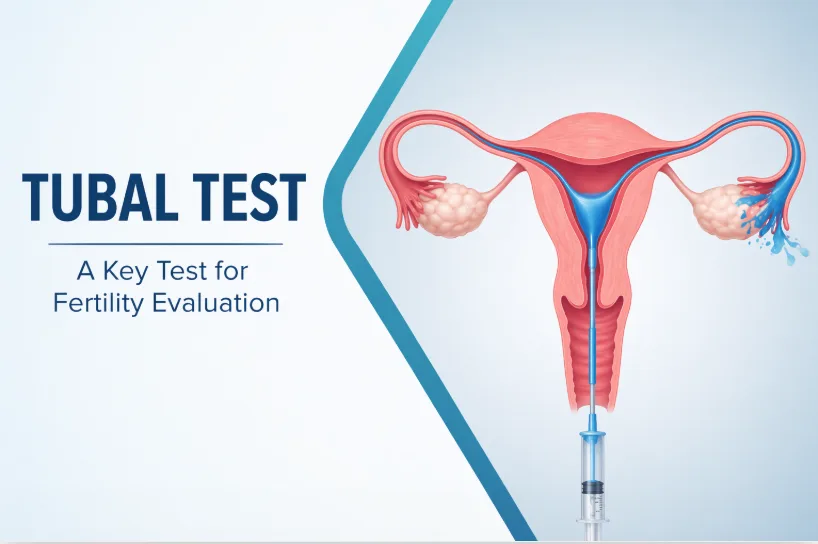
A tubal test, often referred to as Hysterosalpingography (HSG) or Sonosalpingography (SSG) in medicine, is a diagnostic method used to determine if the fallopian tubes are blocked or open (patent). Any obstruction can directly hinder pregnancy since the fallopian tubes are essential to natural conception because they are the route that eggs take from the ovaries to the uterus.
Typical Causes for Your Physician to Suggest a Tubal Test:
- You’ve been unsuccessfully attempting to conceive naturally for more than a year.
- You’ve had pelvic inflammatory disease (PID) in the past.
- You’ve had one or more miscarriages.
- You’ve experienced ectopic pregnancies before.
- You have previously had pelvic or abdominal surgery; you exhibit endometriosis symptoms.
Additionally, before prescribing any reproductive treatment, such as IUI or IVF, an infertility specialist frequently does a tubal test as the initial systematic examination.
Meet Dr. Krishna Meena, a reputable infertility expert in Indore.
Experience and empathy go hand in hand when it comes to women’s reproductive health. With a focus on reproductive diagnostics, hormonal abnormalities, and fertility concerns, Dr. Krishna Meena is considered one of the best gynecologists in Indore.
Dr. Krishna Meena is a committed women’s specialist in Indore who has assisted hundreds of patients in comprehending the root causes of their infertility and, more crucially, what to do next. She never takes a one-size-fits-all strategy. Rather, before recommending a course of therapy, she takes the time to examine your entire medical history, lifestyle factors, and test results.
What Makes Dr. Krishna Meena Unique:
- Years of expertise in gynecology and reproductive medicine
- Prioritizing the patient; she listens before writing a prescription
- Her Indore clinic has state-of-the-art diagnostic equipment.
- Open and honest communication regarding treatment expenses, schedules, and expectations
- proficiency with both non-surgical and surgical methods of conception
- Women in Indore, Ujjain, Dewas, and surrounding cities trust us.
Dr. Krishna Meena’s name is frequently mentioned when looking for a trustworthy infertility specialist in Indore, and for good cause.
Tubal Test Types Conducted by an Infertility Expert
Every tubal test is unique. Dr. Krishna Meena may suggest one or more of the following, depending on your symptoms and medical background:
1. Hysterosalpingography (HSG)
The most popular tubal test is this one. After injecting a contrast dye through the cervix, X-ray pictures are obtained to determine if the dye passes smoothly through the fallopian tubes. It is rapid, performed as an outpatient procedure, and has definite outcomes.
2. SSG, or sonosalpingography
This method, also known as a “tubal patency test by ultrasound,” replaces X-rays with ultrasonic imaging and saline solution. It’s a radiation-free, safer alternative that works just as well to find obstructions.
3. Laparoscopy
A laparoscopy may be carried out if other testing yield no conclusive results. In order to see the tubes and surrounding pelvic organs up close, a tiny camera is introduced through the abdomen. The most detailed picture is provided by a modest surgical operation.
4. The process of chromotubation
This is frequently carried out during a laparoscopy. During the actual process, a colored dye is forced into the tubes to verify patency.
Every one of these exams offers benefits of its own. Dr. Krishna Meena is an experienced infertility specialist who will suggest the best course of action for your particular situation.
Understanding the Root Causes of Female Infertility
It’s critical to comprehend the underlying causes of infertility before beginning treatment. The reality that infertility is rarely caused by a single issue surprises a lot of women. Rather, a mix of hormonal, anatomical, and lifestyle factors typically work against conception.
As one of the most experienced Women Specialists in Indore, Dr. Krishna Meena always begins with a thorough root-cause analysis before suggesting any treatment pathway.
Female infertility’s most frequent causes:
Hormonal imbalances
- Ovulation regularity is impacted by Polycystic Ovary Syndrome (PCOS).
- Reproductive hormones are disrupted by hypothyroidism or hyperthyroidism.
- Elevated prolactin levels that prevent ovulation are known as hyperprolactinemia.
- Reduced ovarian reserve is indicated by low AMH (Anti-Müllerian Hormone).
Anatomical or structural problems:
- Fallopian tube blockage or injury (identified by tubal testing)
- Polyps or uterine fibroids that obstruct implantation
- Endometriosis: tissue proliferating outside the uterus, irregular uterine form, or uterine septum
Environmental and Lifestyle Factors:
- Being noticeably underweight or obese
- Prolonged stress and irregular sleep schedules
- Overindulgence in drink or tobacco
- Exposure to pollutants in the environment
Age-Related Reduction:
- Egg quality and quantity naturally fall in women over 35.
- In these situations, early discovery and prompt action are crucial.
It is crucial to see a licensed infertility specialist in Indore like Dr. Krishna Meena in order to comprehend these underlying issues. She finds and fixes the underlying issue rather than only treating the symptom.
How Hormonal Testing Works Alongside Tubal Tests
The majority of individuals primarily think about physical or structural examinations when discussing infertility investigations. But hormonal testing is just as important, and for a whole picture, it’s frequently performed in tandem with a tubal test.
Dr. Krishna Meena, as a leading Infertility Specialist in Indore, typically recommends a comprehensive hormone panel to complement tubal assessments.
Key Hormonal Tests Your Specialist May Recommend:
| Test | What It Measures | Why It Matters |
|---|---|---|
| FSH (Day 2–3) | Follicle Stimulating Hormone | Checks ovarian reserve and egg quality |
| LH | Luteinizing Hormone | Detects ovulation timing and PCOS |
| AMH | Anti-Müllerian Hormone | Measures remaining egg supply |
| TSH | Thyroid Stimulating Hormone | Rules out thyroid-related fertility issues |
| Prolactin | Pituitary hormone | High levels can block ovulation |
| Estradiol | Estrogen level | Evaluates ovarian function |
| Progesterone (Day 21) | Post-ovulation hormone | Confirms whether ovulation occurred |
Together, these tests provide Dr. Krishna Meena with a comprehensive picture of your reproductive health. This implies that instead of speculating, she can create a much more focused and successful treatment strategy.
Furthermore, many women who visit a top gynecologist in Indore are shocked to learn that months of unsuccessful efforts at conception were caused by a straightforward thyroid condition or a high prolactin level, which is easily curable once discovered.
Lifestyle Changes That Can Improve Fertility Before Treatment
Even before any medical therapy starts, your lifestyle has a significant impact on your reproductive prospects. This is something that most clinics don’t tell you up front.
Dr. Krishna Meena, a women’s specialist in Indore who has seen hundreds of patients, is adamant that medical care and lifestyle optimization go hand in hand.
In truth, many women can greatly increase their odds of becoming pregnant naturally or increase the success rate of IUI and IVF by making the appropriate lifestyle adjustments.
Evidence-Based Lifestyle Tips from Dr. Krishna Meena:
1. Keep Your Weight in Check
Ovulation and hormonal balance might be upset by being overweight or underweight. Fertility outcomes can be significantly improved by even a 5–10% change in body weight.
2. Eat a Diet That Promotes Fertility
- Add foods high in folate, such as citrus fruits, lentils, and leafy greens.
- Add foods high in antioxidants, such as veggies, berries, nuts, and seeds.
- Cut back on trans fats, refined carbohydrates, and processed foods.
- Drink at least two to three liters of water every day to be well hydrated.
3. Take Charge of Your Stress
Prolonged stress raises cortisol, which can directly affect hormones involved in reproduction. Journaling, yoga, meditation, and walking are examples of practices that can have quantifiable benefits.
4. Give Up Smoking and Drink Less Alcohol
Reduced egg quality, hormonal disruption, and decreased IVF success rates are closely associated with smoking and excessive alcohol usage. Even three months prior to therapy, quitting these behaviors can have a significant impact.
5. Monitor Your Menstrual Cycle
Your infertility specialist can benefit from knowing about ovulation windows, irregular cycles, and hormonal red flags by using a period monitoring app.
6. Engage in Frequent Moderate Exercise
Steer clear of intense exercise since it can inhibit ovulation. Rather, it’s best to engage in moderate activities like mild yoga, swimming, or strolling.
7. Start taking prenatal vitamins early
Fertility specialists often advise starting folic acid and vitamin D pills at least three months before attempting to conceive.
These actions support medical care, but they do not take its place. During their initial consultation, Dr. Krishna Meena frequently gives her patients a customized lifestyle checklist.
When to Think About IUI vs. IVF: Advice from an Infertility Expert
“Do I need IVF, or will IUI work for me?” is one of the most frequent queries that patients ask Dr. Krishna Meena. It’s an excellent question, and the answer depends on a number of variables that can only be accurately assessed by a licensed infertility specialist.
To help you grasp the distinction, here is a condensed explanation:
What is intrauterine insemination, or IUI?
IUI is a less intrusive reproductive procedure in which concentrated, cleaned sperm are injected directly into the uterus at the moment of ovulation. It functions best when:
- A tubal test indicated that the fallopian tubes are open and healthy.
- Mild male factor infertility (low motility or count) is present.
- The woman reacts to medicine despite having irregular ovulation.
- The couple’s infertility has been unexplained for less than three years.
What is in vitro fertilization, or IVF?
In IVF, eggs are extracted, fertilized in a lab, and then the resulting embryo is placed into the uterus. It is advised when:
- After three to four cycles, both fallopian tubes are obstructed or seriously damaged, and IUI has failed.
- There is severe male factor infertility.
- Low ovarian reserve and advanced maternal age (35+)
- Endometriosis has a major impact on fertility.
- Multiple miscarriages in the past
How to Make a Decision with Dr. Krishna Meena:
Dr. Krishna Meena, a reputable infertility specialist in Indore, never suggests IVF unless it is absolutely required. She always begins with the least intrusive and most economical solution. Her objective is to assist you in becoming pregnant as naturally as possible while providing the appropriate degree of medical assistance.
In order to provide you with an honest and straightforward recommendation, she will examine your age, partner’s semen analysis, hormonal profile, and tubal test results. She is regarded as one of Indore’s most esteemed women specialists in part because of her openness.
Detailed Guide: What to Expect at Dr. Krishna Meena’s Clinic During a Tubal Test
It can be frightening to have a tubal test. But it might be far less stressful if you know what to anticipate.
Step 1: First Consultation
You will first have a comprehensive consultation with Dr. Krishna Meena. She will go over your past test results, current symptoms, and medical history.
Step 2: Pre-Test Guidelines
The test is typically scheduled between Day 7 and Day 10 of your menstrual cycle, and you will receive explicit instructions. It might be suggested that you take a little analgesic beforehand.
Step 3: The Process
Usually, the test takes 15 to 30 minutes. The specialist will carefully insert the saline or contrast medium while you recline on an examination table. It’s common to experience little cramping.
Step 4: Discussion of Immediate Results
In most situations, Dr. Krishna Meena will go over the results with you the same day after the surgery; you won’t have to wait weeks for a follow-up.
Step 5: Customized Therapy Program
She will create a customized fertility plan based on the findings. This could include IUI, IVF, or minimally invasive surgery in addition to medication and lifestyle changes.
Advantages of Early Consultation with a Specialist Like Dr. Krishna Meena
Many women put off visiting an infertility specialist because they think it’s “too soon” or that things will get better on their own. Early action, however, can have a big impact.
Here’s why it makes sense to see Dr. Krishna Meena as soon as possible:
- Faster diagnosis—no guesswork, no wasted time
- More treatment options—the earlier, the more flexibility
- Emotional support from day one—she doesn’t just treat the body
- Cost savings—targeted treatment is more effective than trial-and-error
- Higher success rates with IUI or IVF when started at the right time
- Identification of other hidden issues like PCOS, fibroids, or hormonal imbalance
From diagnosis till delivery, Dr. Krishna Meena is the best gynecologist in Indore for fertility issues.
Typical Errors Women Make Prior to Consulting an Infertility Specialist
Unfortunately, a lot of women unintentionally put off getting the care they need because of preventable errors. These are the most typical ones:
- Waiting too long: Attempting to conceive for two to three years prior to consulting a specialist dramatically lowers the success percentage of treatment.
- Hormonal supplement self-medication can conceal underlying problems and make diagnosis more difficult.
- Ignoring irregular periods: Ovulation problems or PCOS are frequently indicated by irregular cycles.
- Ignoring the partner’s evaluation: About 40–50% of cases of infertility are caused by male factors. It’s a team problem.
- Selecting a general practitioner over a specialist: An Indore women’s specialist with experience in fertility provides much more specialized care than a general practitioner.
- Relying solely on information found online: Every woman’s body is unique. Internet-based generic advice cannot take the place of professional consulting.
You can avoid months of needless worry by avoiding these blunders and scheduling an early appointment with Dr. Krishna Meena.
Conclusion
Start your journey toward fertility right now. You don’t have to deal with infertility alone, even if it can feel isolating. The most crucial thing you can do, regardless of how long you’ve been considering your choices, is to speak with an experienced infertility specialist.
One of the most sympathetic women specialists in Indore and a reputable infertility specialist, Dr. Krishna Meena, is available to help. She combines clinical knowledge with compassionate treatment for everything from precise tubal diagnostics to comprehensive fertility planning.
Don’t let doubt stop you. Make an appointment with Dr. Krishna Meena right now to start the most crucial step in becoming a mother.
FAQs:
FAQ 1: What is the role of an infertility specialist?
To determine the physical, hormonal, or structural reasons for infertility, an infertility specialist assesses both partners. IUI, IVF, medication, and surgical adjustments are among the therapies they recommend and oversee.
FAQ 2: How can I determine whether a tubal test is necessary?
Your doctor could suggest a tubal test if you’ve been trying to conceive for more than a year (or six months if you’re over 35), have a history of pelvic infections, ectopic pregnancy, or endometriosis. During a first visit, Dr. Krishna Meena will evaluate your unique circumstances.
FAQ 3: Does the HSG test hurt?
Similar to menstrual pain, most women have mild to severe cramps during the HSG test. Usually, the soreness passes after a few minutes. Prior to and throughout the treatment, Dr. Krishna Meena makes sure patients are informed and at ease.
FAQ 4: For fertility concerns, where can I locate the best gynecologist in Indore?
For issues pertaining to fertility, Dr. Krishna Meena is regarded as one of the top gynecologists in Indore. She provides individualized, evidence-based care in her clinic in Indore, which is furnished with contemporary diagnostic equipment.
FAQ 5: What is the success rate following a diagnosis from a tubal test?
The underlying cause, age, and treatment selected all affect success rates. On the other hand, results are greatly improved by early diagnosis using a tubal test. Following tubal examination and focused treatment, many of Dr. Krishna Meena’s patients have successfully conceived.